


5 Ways Singing and Sound Heal the Body, Mind, and Spirit

This post helps you get started, but it’s only the beginning. What would it feel like to finally reach your vocal potential and feel an actual healing shift in your voice? In my FREE 4-Day Better Voice Challenge you will instantly Sing Better and Sound Better. Walk through 8 Sequences to unlock your voice, decrease strain, anchor your sound and expand your power and resonance. Come join me and learn the methods Grammy winners and legends use to transform their voice and keep them performing at their peak!. Click here to get access.
5 Ways Singing and Sound Heal the Body, Mind and Spirit
The science of sound is a beautiful blend of physics, biology, and art. It begins with simple vibrations but ends in rich, emotional experiences.
Sound is a type of energy that travels in waves through different mediums like air, water, or solids. It is created by vibrating objects and is perceived by our ears as auditory sensations.
From the smallest insect hum to the roar of a waterfall, sound connects us to the physical world and to each other.
Beyond physics and engineering, sound wields a profound influence over our emotions and behavior. Music can elicit tears, motivate athletes, calm infants, or stir crowds to action. A well-timed silence can convey more than words ever could.
The reason lies in the brain’s limbic system, where sound stimuli interface with memory and emotion. Familiar songs can instantly transport us back in time. Rhythmic patterns entrain our heartbeat and breathing. Cultural associations give meaning to particular sounds, from national anthems to bird calls signaling the coming of spring.
In therapy, music and sound are used to treat mental health disorders, enhance learning, and promote healing. Soundscapes—environments rich in natural sounds—are now recognized as essential for well-being, a counterpoint to the cacophony of urban life.
Understanding sound is not just an academic pursuit—it’s a key to understanding how we perceive, feel, and interact with reality.
Sound is a vehicle of communication—of transmission.
Whether you’re a singer resonating notes, a musician tuning your instrument, an engineer designing a speaker, or simply someone marveling at a thunderstorm, you are engaging with one of the most elegant phenomena in nature.
Sound is vibration.
Sound is communication.
Sound is life.
In this Blog, I will discuss the following 5 Ways Singing and Sound Heal the Body, Mind, and Spirit.
– Transmits and Communicates Information
– Raises Frequency
– Forms New Neural Pathways
– Creates Connection
– Heals Trauma
1. Transmits and Communicates Information
Our bodies, minds, and spirits are interwoven together. Sound waves transmit energy, vibration, and healing frequencies, impacting them all at once.
From healing our nervous systems and our brain to improving mental health and a sense of connection, music and sound heal.
Whether you are basking in a sound bath or singing your favorite tune, science tells us that the vibrations from sound and singing are multifaceted.
- Sound stimulates the vagus nerve, which helps to regulate the nervous system.
- Binaural beats: Binaural beats are an auditory experience created when two tones of slightly different frequencies are played in each ear, causing the brain to perceive a third tone that is the difference between the two frequencies. This phenomenon is thought to potentially influence brain wave activity and may help with relaxation, focus, and mood improvement.
- Sound baths: A sound bath is a meditative experience where participants are immersed in sound waves produced by various instruments, such as gongs and singing bowls. This practice aims to promote relaxation, reduce stress, and enhance overall well-being through the healing power of sound.
- Music therapy: Music therapy is a therapeutic approach that uses music to address various physical, emotional, cognitive, and social needs of individuals. It involves a qualified music therapist who tailors sessions to the client’s specific goals, which may include creating, listening to, or discussing music
- Sounds in nature: Sounds in nature can significantly improve mental and physical well-being by reducing stress, enhancing mood, and promoting relaxation. Research shows that listening to natural sounds can lower anxiety, improve cognitive performance, and even aid in pain management.
- Therapeutic effects of singing: Singing has several therapeutic effects, including reducing stress and anxiety, boosting mood through the release of endorphins, and enhancing social connections when done in groups. It can also improve lung function and support mental health by promoting mindfulness and emotional expression.
2. Raises Frequency
Singing and sound have numerous healing effects, including reducing stress, boosting mood, and enhancing lung function. When done in groups, singing or experiences such as concerts or sound baths can release endorphins and dopamine, which improve emotional well-being and promote a sense of community.
Sound, resonance, and voice are powerful tools for enhancing health by engaging the body’s natural vibratory processes. They influence physical health and emotional balance through the vibrations and auditory stimuli they produce. Practitioners use sound healing, music therapy, and sound baths, employing instruments like singing bowls, gongs, and tuning forks, which emit specific frequencies.
These vibrations can promote relaxation by slowing brain wave activity, which reduces stress, lowers heart rate, and decreases blood pressure. For example, listening to calming sounds or engaging in vocal exercises can help calm the nervous system, easing anxiety and pain.
Resonance also plays a role in stimulating the body’s energy centers, known as chakras or energy points. When specific frequencies align with these centers, they can promote balance and energy flow, supporting physical and emotional healing. This effect is based on the principle that everything in the body has a resonant frequency; tuning into these frequencies can stimulate repair and boost overall vitality.
Moreover, voice therapy and sound practices can enhance emotional expression and communication, aiding mental health issues such as depression and trauma. By integrating sound and singing into therapy, individuals often experience improvements in mood, resilience, and cognitive functioning.
In summary, sound, resonance, and voice therapies serve as accessible, non-invasive options that foster mental, emotional, and physical wellness through their vibrations and effects on neural pathways, reinforcing their valuable role in holistic health practices.
Reference:
The Healing Effects of Singing and Vocal Expression in Music Therapy
https://www.rosewoodrecovery.com/blog/the-healing-effects-of-singing-and-vocal-expression-in-music-therapy
3. Forms New Neural Pathways
Brainwaves are produced by synchronized electrical pulses from masses of neurons communicating with each other. The human brain contains an average of 86 billion nerve cells called neurons. Neurons generate and transmit electrical signals (brainwaves) that transmit information.
Music can trigger plastic changes in the brain which can in turn form new neural pathways.
Yes, sound can indeed form new neural pathways in the brain through a process known as neuroplasticity, which allows the brain to adapt and reorganize itself in response to experiences, including music and sound. Engaging with music or sound can strengthen existing connections and create new ones, enhancing cognitive and emotional functions.
4. Creates Connection and Healing
Music training can bring about structural and functional changes in the brain, and studies have shown its positive effects on social bonding, cognitive abilities, and language processing. We also discuss how music therapy can be used to retrain impaired brain circuits in different disorders. Understanding how music affects the brain can open up new avenues for music-based interventions in healthcare, education, and wellbeing.
The transformative power of music. Music possesses a remarkable capacity to induce transformative changes in the brain, fostering neuroplasticity and reshaping neural networks. Music’s influence extends throughout the lifespan, from prenatal development to the challenges of aging, impacting cognitive, emotional, physical, and social well-being.
Music enhances cognitive function: Music’s positive effects on cognition encompass memory, attention, and learning, highlighting its potential as a cognitive enhancer.
Music and sound create emotional resonance: Music and sound profoundly impacts emotional states, offering therapeutic benefits in alleviating stress, anxiety, and depression.
Physical well-being: Music’s role in promoting physical health is evident in pain management and its potential for improving physical rehabilitation outcomes. Music’s unique ability to foster social bonding and communication underscores its significance in promoting social well-being.
5. Heals Trauma
The emergence of Music Therapy: The recognition of music’s therapeutic potential has given rise to music therapy as a non-pharmacological intervention for a wide range of diseases.
Music therapy enhances emotional wellbeing by reducing stress, anxiety & depression through therapeutic musical experiences.
It can improve cognitive functioning & physical rehabilitation, particularly benefiting individuals with neurological disorders.
Engaging with music therapy encourages self-expression & supports meaningful connections, boosting overall quality of life.
- Music therapy reduces anxiety, and the physical effects of stress
- It improves healing
- Helps manage Parkinson’s and Alzheimer’s disease
- Music therapy reduces depression and other symptoms in the elderly
- Helps to reduce symptoms of psychological disorders, including schizophrenia
- Music therapy improves self-expression and communication

Join me on YouTube – where I discuss content on the blog, voice, and artist development. Feel free to leave a note or question in the comments that I can circle back to.
Related Posts:
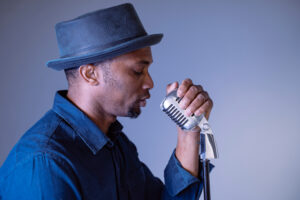

What would it feel like to finally reach your vocal potential and feel an actual transformation in your voice in 8 weeks? Come join the thousands of singers who have already transformed their voice and vocal health with the Cole Vocal Method™. Set your voice free in only 20 minutes a day with these transformative vocal techniques found only here! Click here to find out more.

Reference articles:
The Science of Sound: Physics of Vibrations and Waves https://www.sciencenewstoday.org/the-science-of-sound-physics-of-vibrations-and-waves
The transformative power of music: Insights into neuroplasticity, health, and disease
https://www.sciencedirect.com/science/article/pii/S2666354623001308
Monroe Sound Science
https://www.monroeinstitute.org/pages/monroe-sound-science
https://www.institutomonroe.org/hemisyncen
What are the Benefits of Music Therapy
https://positivepsychology.com/music-therapy-benefits/
The Neuroscience of Singing: What Happens to Your Brain When You Sing
https://www.communicatingpsychologicalscience.com/blog/the-neuroscience-of-singing-what-happens-to-your-brain-when-you-sing
The Transformative Power of Music in Mental Well-Being
https://www.psychiatry.org/News-room/APA-Blogs/Power-of-Music-in-Mental-Well-Being
American Music Therapy Association Fact Sheets
https://www.musictherapy.org/research/factsheets/
Related
Share this post
Categories

Hi, I’m Cari Cole.
You’ve got talent, but you want to become great at it. You’re in the right place! My mission is to help you refine your unique artist vision to bring to the world.
INSTANT ACCESS
STEP UP TO THE SPOTLIGHT
6-Week Kickstart Artist Development Program
Win Awards, Gain
Notoriety, and Industry
Recognition.


About Cari Cole
Cari Cole is the CEO / Founder of caricole.com and CCVM: Label Without Walls. She is a Holistic Vocal Coach, Artist Development Expert, A&R Director, and Songwriter based in New York City helping artists for the past 38 years. She is a mentor for Women in Music and The Association of Independent Music Publishers.
Her latest venture, CCVM a label services company, provides artists with a seamless path from creation to completion. After 30+ years of observing the overwhelm and challenges that artists face, Cari pulled together the best top creative professionals and designed a new approach to supporting our artists.
Disclaimer:
The information provided on Cari Cole's website is informational only and should not be used for diagnosing or treating a health problem or disease. Those seeking personal medical advice should consult with a licensed physician. Always seek the advice of your doctor or other qualified health provider regarding a medical condition. Never disregard professional medical advice or delay in seeking it because of something you have read on Cari Cole's website. If you think you may have a medical emergency, call 911 or go to the nearest emergency room immediately.